

Dr. Dipanshu Narula
Neurosurgeon & Spine Surgeon
MCh Neurosurgery, AIIMS Delhi
Patients Handled
Brain, spine and nerve consultations reviewed with structured clinical guidance.
Surgeries Performed
Neurosurgical procedures planned around safety, precision and recovery.
Clinical Focus
Brain, spine and nerve care planned through imaging, examination and surgical judgment.
Trust built through careful review, clear communication and ethical surgical judgment.
Detailed Report Review
MRI, CT, prescriptions and previous opinions are reviewed against symptoms before treatment is discussed.
Surgery-Focused Expertise
Brain tumor, spine tumor, skull base, and nerve-compression cases - evaluated and planned with surgical precision.
Family-Centered Counseling
Clear explanations for patients and families together, not just the person on the operating table.
Surgery Only When It Helps
If a non-surgical path is safer or equally effective, that's what you'll hear - not the alternative.
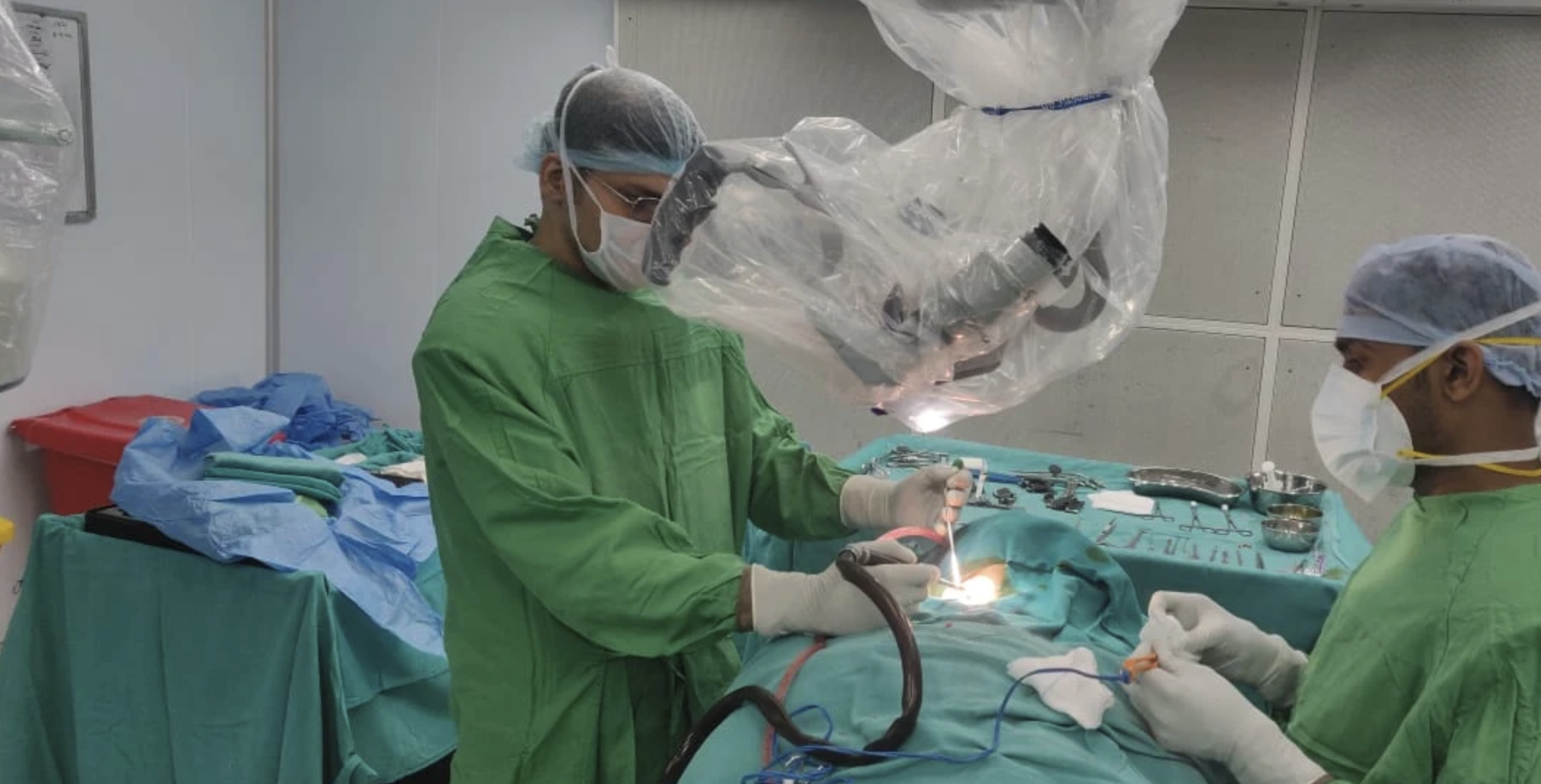
Surgery is the plan only when surgery is genuinely the answer.
Dr. Dipanshu Narula built a practice around one rule: a patient should never leave a consultation more confused than they arrived. Every case starts with a full review of your scans, symptoms and neurological findings - not a five-minute glance - followed by a plain-language explanation of what's actually going on, what the realistic options are, and where surgery does or doesn't fit.
When surgery is needed, the focus is on minimally invasive and endoscopic techniques wherever your anatomy allows - smaller access, less disruption, and a clearer path to recovery. When it isn't needed, you'll hear that too, in writing if you want it.
Advanced neurosurgical care with clarity before every major decision.
A stronger consultation experience means the patient understands the diagnosis, the reason for treatment, and the recovery path before any major step is taken.
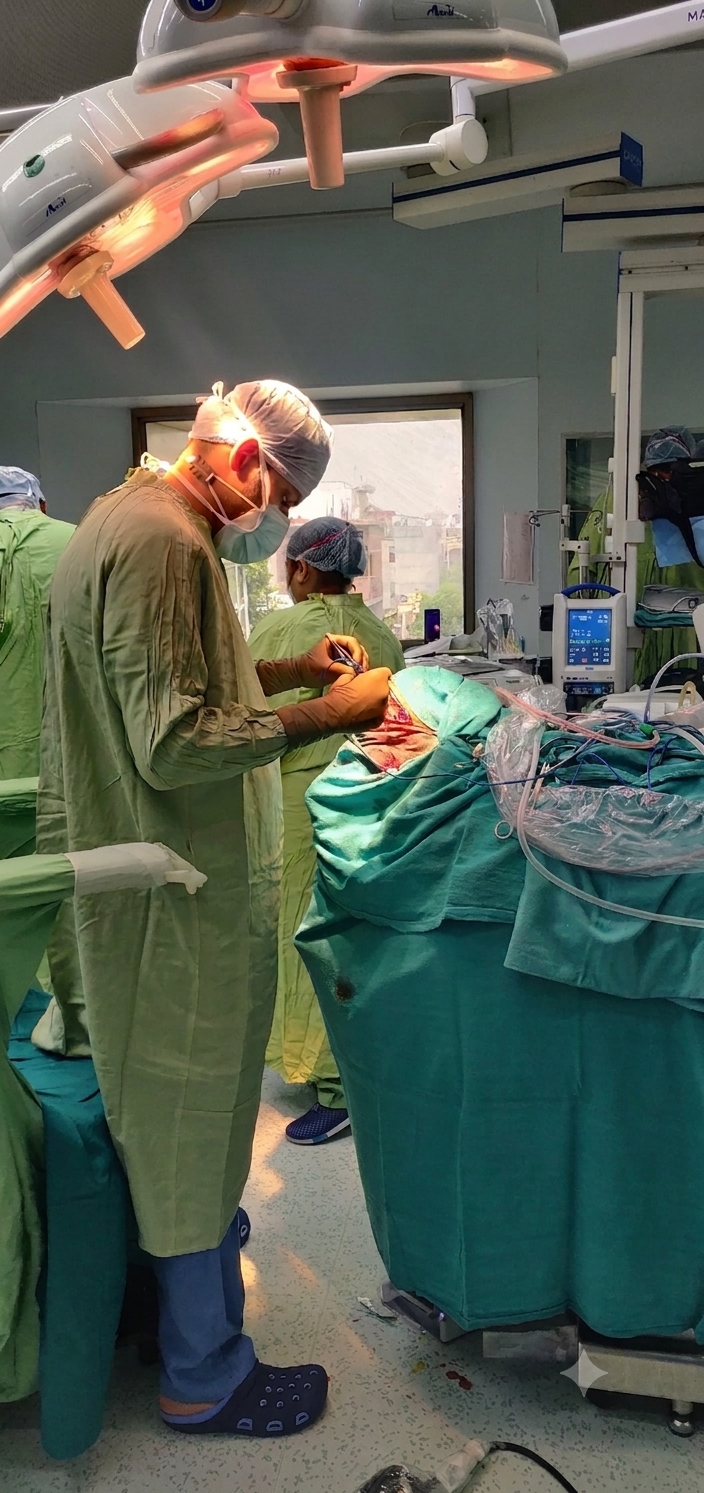
Diagnosis first. Risk explained clearly. Surgery recommended only when it has a defined medical role.
Neuroimaging-Led Decision Making
MRI, CT and neurological examination are reviewed together so treatment decisions are shaped by the patient's real symptoms, anatomy and risk profile.
Brain & Spine Tumor Focus
Evaluation and surgical planning for brain tumors, spine tumors, skull base lesions and tumors near functionally important nerves.
Minimally Invasive & Endoscopic Work
Microscope-assisted, endoscopic and smaller-access approaches are considered when they are suitable for the patient's anatomy and disease.
Ethical Surgical Decision-Making
Every recommendation is written around informed consent, risk explanation, patient privacy, realistic recovery and no guaranteed-outcome claims.
A decision-ready plan after the report review.
Detailed pages for every major service
Each page speaks to patient intent: symptoms, diagnosis, treatment options, surgical planning and recovery.
Minimally invasive neurosurgery designed for smaller access, better precision and faster recovery.
Advanced keyhole, microscopic and endoscopic methods for selected brain and spine conditions—using modern imaging, magnification and specialized instruments to protect healthy tissue.
View pageAdvanced Brain Tumor Surgery with Functional Preservation
Microsurgical and endoscopic approaches for benign, malignant, deep-seated and functionally sensitive brain tumors with maximum safe removal.
View pageSpine Surgery
Learn about spine surgery, spinal conditions, minimally invasive spine procedures, treatment options and second opinions with Dr. Dipanshu Narula.
View pageEndoscopic brain and spine surgery using camera-guided corridors for selected conditions.
High-definition visualization for deep areas that may be reached through smaller anatomical windows.
View pageAdvanced care for aneurysm, AVM and brain hemorrhage emergencies.
Complex vascular brain conditions require rapid diagnosis, careful risk assessment and decisive treatment planning.
View pageTrigeminal neuralgia treatment for electric-shock facial pain.
Clear diagnosis and advanced treatment options for one of the most severe facial pain disorders.
View pageBrain, spine and peripheral nerve care organized by patient need
A clear clinical map helps patients move from symptoms to the right condition page, without feeling lost in medical terminology.
Spine
Disc, stenosis, tumor, deformity and nerve compression pathways.
Brain
Tumor, vascular, epilepsy, trauma and pediatric neurosurgical care.
Peripheral Nerve
Painful nerve disorders, entrapment syndromes and functional concerns.
Procedures & Support
Second opinions, endoscopy, rehabilitation and non-surgical care planning.

Surgical planning begins before the incision.
Each operation is approached through diagnosis, image review, anatomical risk mapping, consent discussion and recovery planning. The goal is precise treatment with honest counseling, not unnecessary promises.
Brain Tumor & Skull Base Surgery
Planning around maximum safe removal, neurological protection, pathology review and coordinated recovery.
Spine Tumor & Minimally Invasive Spine Surgery
Microscope-assisted decompression, tumor access, stabilization decisions and rehabilitation planning.
Endoscopic Brain & Spine Procedures
Camera-guided corridors for selected ventricular, pituitary-region and spinal nerve compression conditions.
Neurovascular, Epilepsy & Head Injury Care
Careful evaluation for aneurysm, AVM, seizure-related surgical decisions and traumatic brain injury warning signs.
A clear surgical pathway from doubt to decision
Listen
Symptoms, history, reports and family concerns are understood in detail.
Map
MRI, CT, examination findings and risks are matched to the patient's real problem.
Decide
Surgical, non surgical and second-opinion choices are explained transparently.
Operate
When needed, surgery is planned around precision, safety and recovery.
Recover
Follow-up, physiotherapy, medicines and warning signs are clearly defined.
Written to respect healthcare communication guidelines.
The content uses a responsible medical tone for national and international audiences: no sensational claims, no copied portal text, no guaranteed outcomes and clear direction for emergencies.
Medical DisclaimerEducational content does not replace a personal consultation, emergency care or hospital evaluation.
No page promises a cure, painless surgery, guaranteed recovery or superiority over all other doctors.
Patients are guided to bring MRI, CT, prescriptions, discharge summaries and previous operative notes.
Red flags such as sudden weakness, seizures, severe head injury, loss of consciousness or bladder-bowel symptoms need urgent care.
Copy is written around informed consent, privacy, second opinions and evidence-based decision-making.
Treatment options include observation, medicines, physiotherapy, injections, surgery and rehabilitation where appropriate.
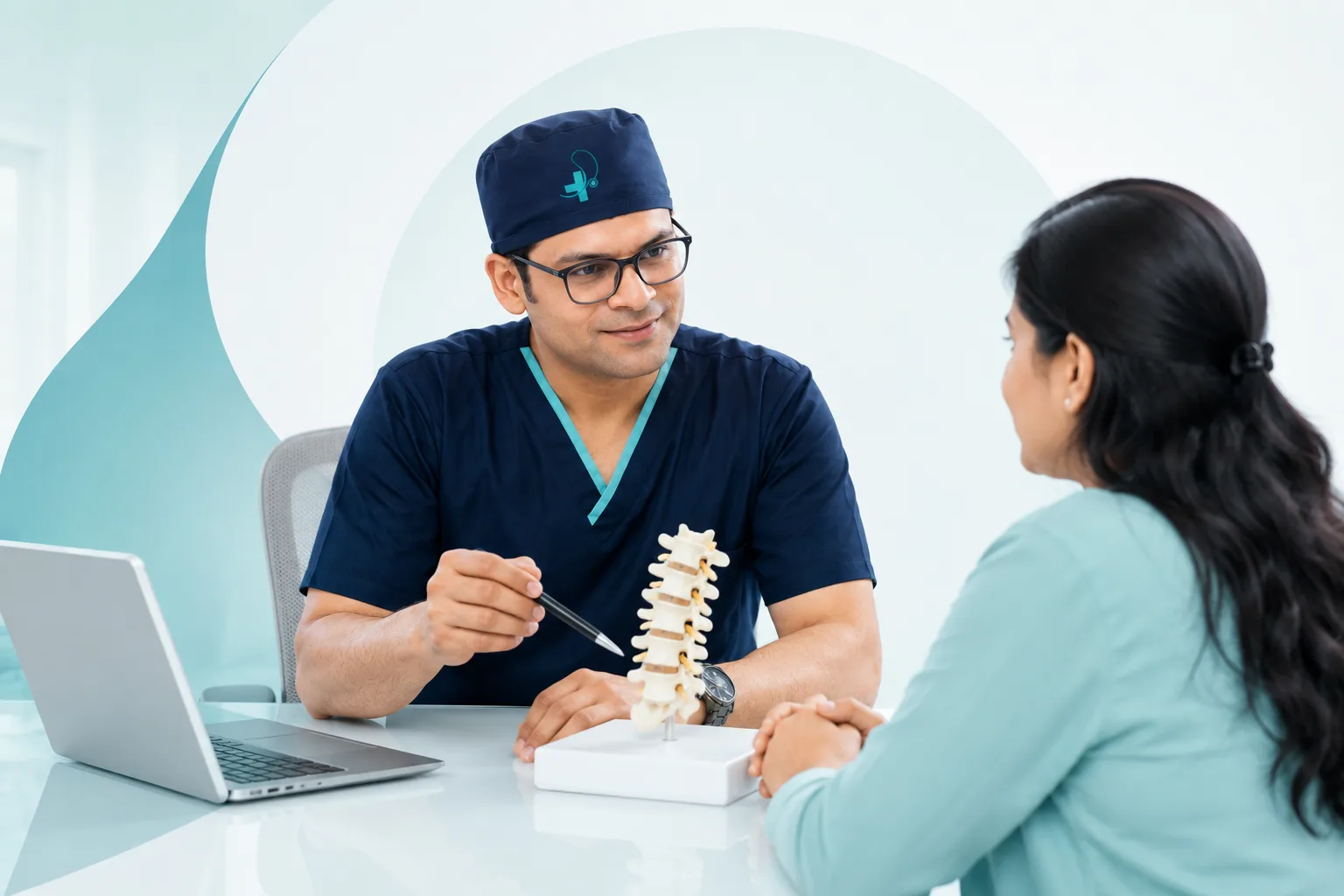
Report Review Consultation
Scans, symptoms and treatment choices are explained together before a decision is made.
Before brain or spine surgery, patients deserve a structured explanation.
The second-opinion pathway is designed for patients who have been advised surgery, have conflicting reports, or want to understand whether minimally invasive, endoscopic or non-surgical care may be suitable.
Knowledge that helps patients ask better questions
Research and news summaries are written in original language with source links, helping patients learn without replacing medical consultation.
Microscopic minimally invasive spinal tumor resection
A patient-friendly summary can highlight Dr. Narula's co-authored work on tubular retractor-based intradural spinal tumor surgery without reproducing the journal article.
Educational videos for brain, spine and nerve conditions
Short explainers can turn complex topics like sciatica, tumors, head injury and trigeminal neuralgia into clear patient education.
Younger adults and neurological risk awareness
A curated news note can discuss early diagnosis, stroke risk, lifestyle factors and timely evaluation using original editorial copy and a linked source.
Answers before your first consultation
Who is the right doctor for brain tumor surgery in Noida or Delhi NCR?
A brain tumor patient should meet a qualified neurosurgeon who can review MRI findings, neurological function, tumor location, surgical risk and the need for oncology or rehabilitation support.
Does minimally invasive neurosurgery mean every case needs a small incision?
No. Minimally invasive or endoscopic surgery is chosen only when it is suitable. Some tumors, spine problems or emergencies need an open approach for safety.
When should spine pain be evaluated urgently?
Urgent evaluation is important for new weakness, numbness spreading rapidly, bladder or bowel difficulty, fever with back pain, cancer history, major trauma or severe pain not improving with medicines.
Can Dr. Narula review reports for a second opinion?
Yes. Patients can bring MRI, CT, prescriptions, discharge papers and previous surgical notes so the consultation can focus on diagnosis, options and realistic next steps.
Bring your reports. Leave with clarity.
For brain, spine and nerve concerns, connect through a phone call or visit the clinic with MRI/CT reports and previous prescriptions.
+91 97723 48065
C-6, C Block, Sector 34, Noida